For growers in rainfed systems across the U.S., water isn’t something you apply it’s something you manage. But if decisions are based only on rainfall totals or weather forecasts, you’re still guessing how much water your crops can actually use.
That’s where soil moisture sensors change the game.
Turn Rainfall into Actionable Soil Moisture Data
A rain gauge tells you how much water fell. Soil moisture sensors show how much water actually made it into the root zone and how long it will stay available.
With real-time soil moisture data, you can:
- Understand effective moisture after a rain event
- Track moisture movement across multiple soil depths
- Measure soil temperature alongside moisture for better planting and emergence decisions
- Monitor nutrient movement and potential leaching risks
Instead of asking “Will the crop survive the next dry spell?” you can see exactly how much water is available and how quickly it’s being used.
Better Decisions Without Irrigation
Even without irrigation, soil moisture monitoring helps you manage your most limited resource more effectively. You’ll know:
- When soil moisture is approaching critical stress levels
- How soon yield potential may be impacted
- When to time fertilizer or fungicide applications based on actual field conditions
In challenging seasons, that visibility becomes a real economic advantage helping you decide where inputs will actually pay off.
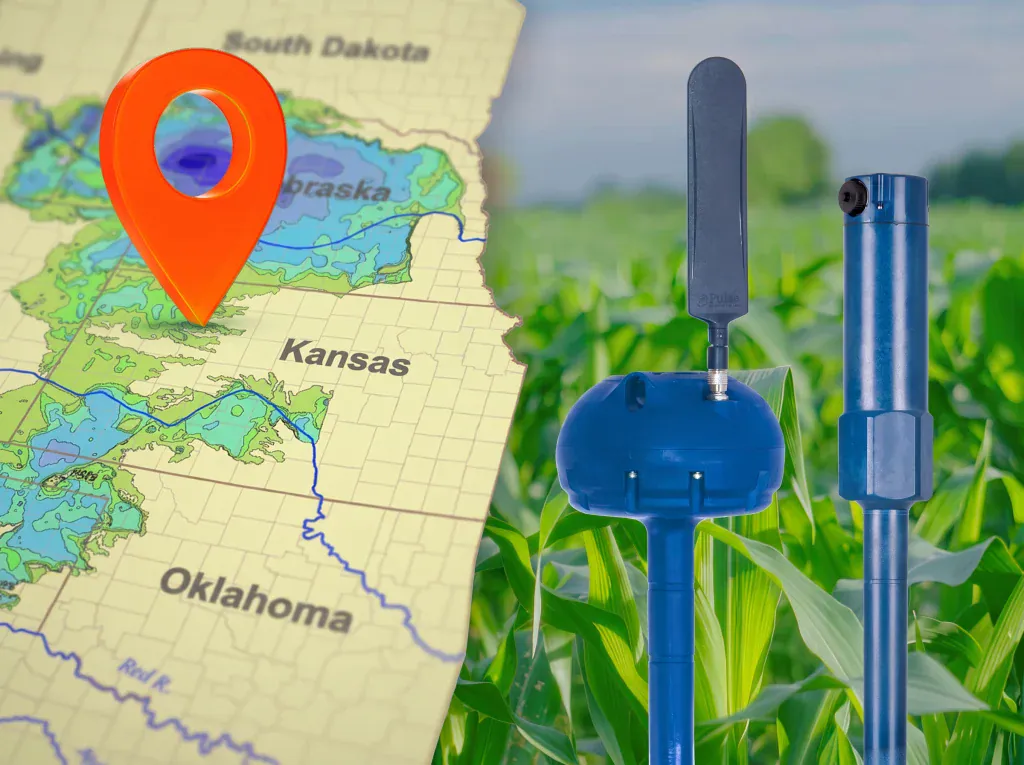
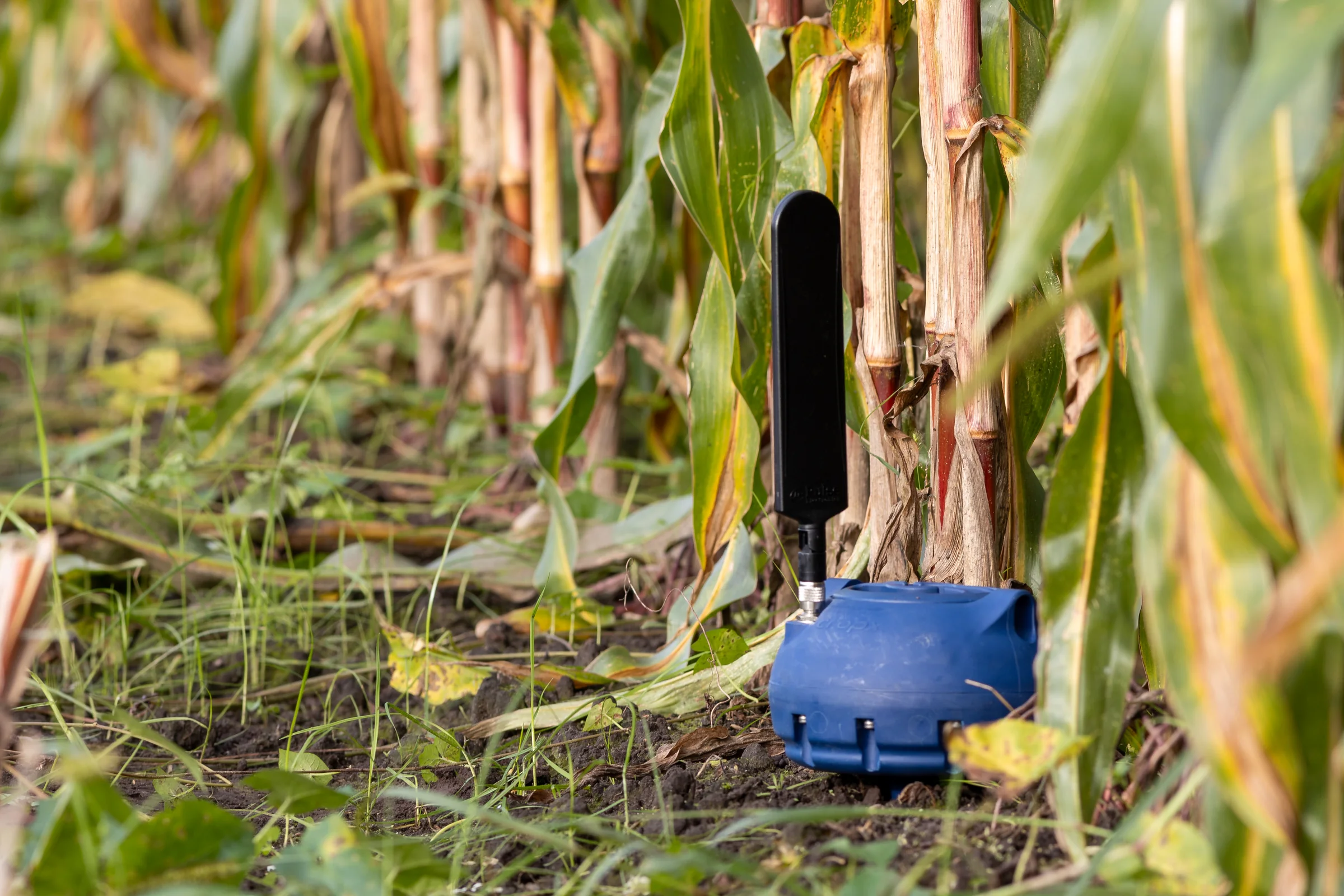
See how Apex Soil Moisture Sensor & Strato Weather Station turn rainfall into actionable soil and crop insights for rainfed systems.