Rainfed growers across the Midwest and Great Plains face the same challenge: rainfall is unpredictable, and soil water determines yield potential from the start of the season.
That’s why soil moisture monitoring systems are not just “nice to have” they’re essential for making the right economic decisions early.
Soil Moisture Drives Yield Potential
At the beginning of the season, one key question matters: What is this field capable of producing this year? Soil moisture data helps answer that by showing how much water is stored in the soil profile directly influencing:
- Yield potential
- Fertilizer investment decisions
- Risk exposure for the season
Instead of guessing whether to invest , 100’s of dollars per acre in inputs during the season, you can align spending with realistic yield expectations.
Make Input Decisions with Confidence
Modern soil moisture monitoring systems help growers:
- Time fertilizer and fungicide applications based on available moisture
- Avoid input waste in dry conditions
- Understand how soils respond differently after rainfall
When you can see water availability at the root zone, decisions become proactive instead of reactive.
From Field Data to Business Decisions
Soil moisture data doesn’t just support agronomy it supports financial planning.
With better visibility into water availability, growers can:
- Adjust input budgets early in the season
- Reduce risk in uncertain weather conditions
- Plan with greater confidence across acres
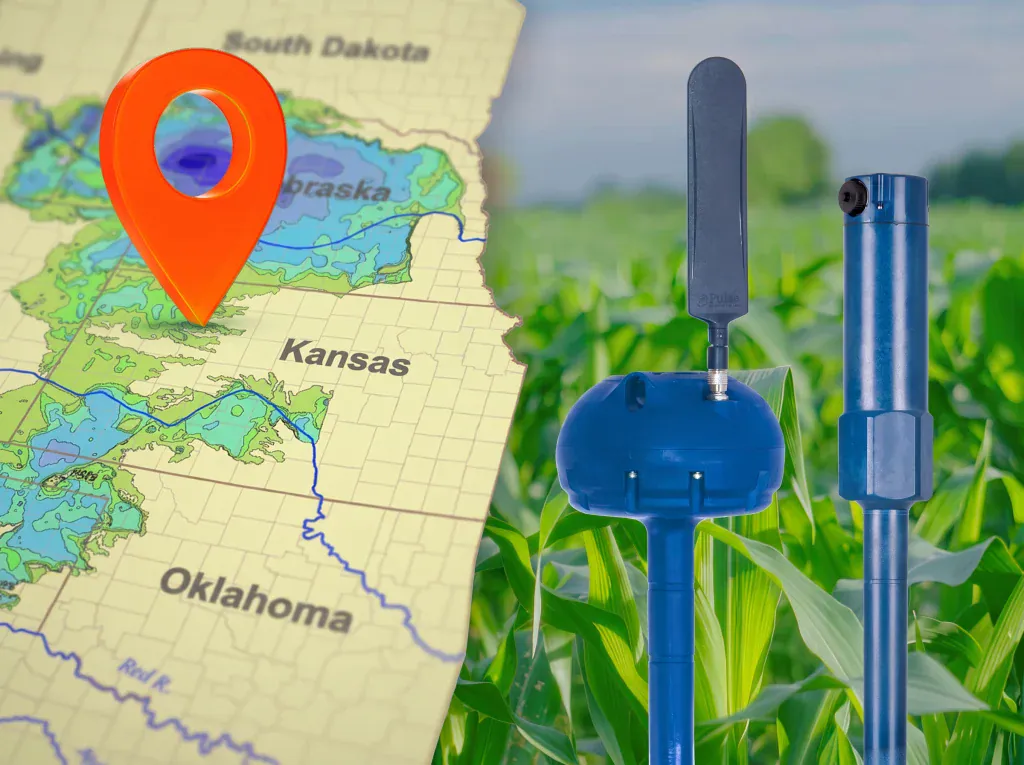
See how Apex & Strato turn rainfall into actionable soil and crop insights for rainfed systems.