Since 1998, John Beasley has built South Georgia Crop Services around one principle: every input dollar should work as hard as possible. Serving growers across cotton, peanuts, corn, soybeans, tobacco, blueberries, and citrus, he integrates variable rate soil sampling, irrigation management, and fertility strategies to fine-tune performance. Irrigation was the exception—until real-time soil moisture data gave him and his growers a clear view of the root zone and changed how they make every watering decision.

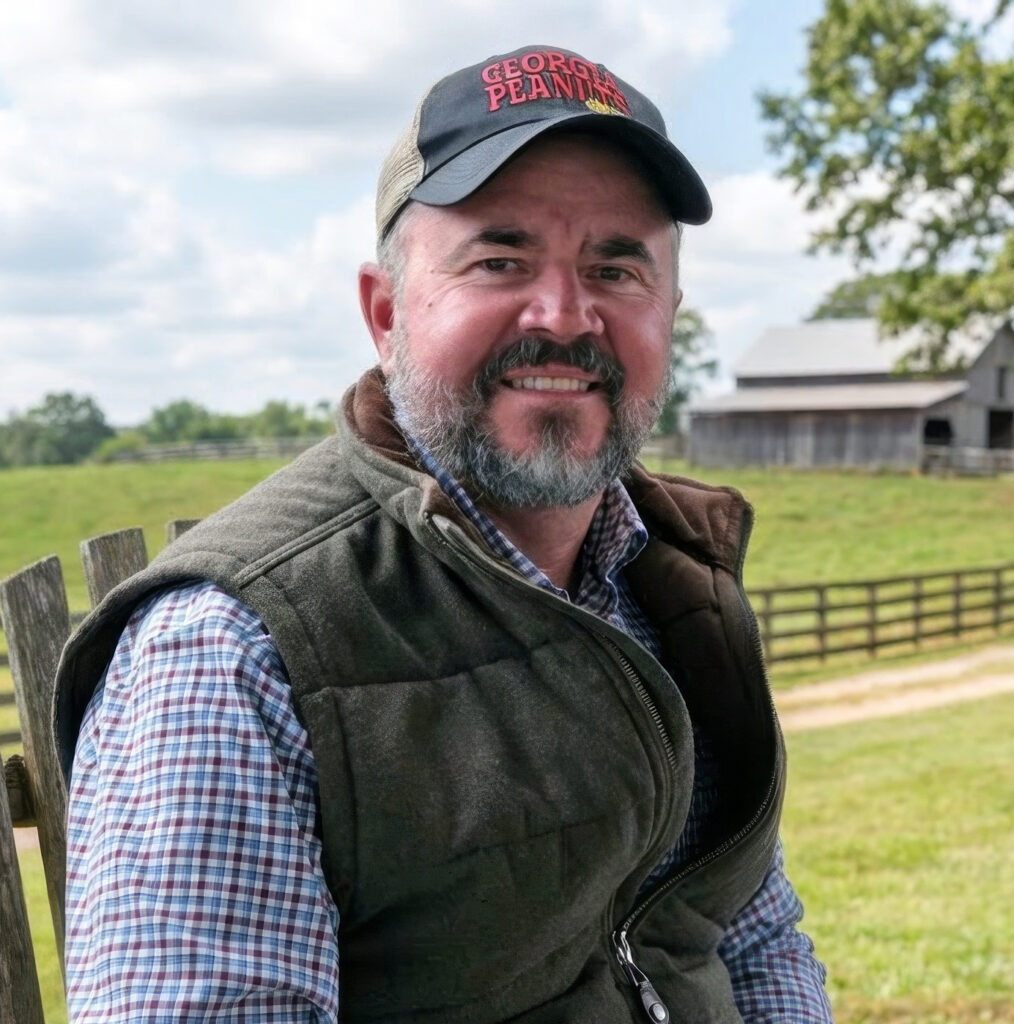
Organization: South Georgia Crop Services, Screven, GA
Business Type: Independent agricultural consulting firm
Territory: South Georgia, United States
Crops: Cotton, peanuts, corn, soybeans, tobacco, blueberries, and citrus
Primary Challenge: Limited root-zone visibility leading to irrigation guesswork
Solution: CropX sensors and app providing real-time soil moisture insights
Scale: Nearly 7,000 lbs/acre peanuts under refined irrigation timing, plus other crops
Precision agriculture has long been central to John’s consulting model. His team runs variable rate soil sampling across acres, builds variable rate seeding prescriptions for corn, and adjusts fertilizer programs under pivots while dialing back rates on dry corners. The goal is simple: manage every acre according to its potential.
Irrigation, however, lagged behind the rest of the system. Decisions were often made “by the seat of our pants,” John admits. Even experienced growers tended to water heavily early in the season, especially in peanuts and corn, then adjust later if conditions changed. From field to field, timing varied widely.
As a consultant walking crops, John could evaluate canopy health, vigor, and nutrient response—but he lacked consistent visibility into what was happening in the soil profile. Root development and moisture movement remained largely unseen, limiting how precisely irrigation could be managed.
John had experimented with multiple sensor platforms over the years. The challenge wasn’t collecting soil moisture data—it was delivering it in a way growers would actually use. If information had to be emailed, texted, or interpreted through complicated reports, adoption slowed noticeably.
What changed with CropX was accessibility. Soil moisture data became available directly through a mobile app, allowing growers to open their phones and instantly see conditions at multiple depths in the root zone. Instead of waiting on secondhand interpretation, they could connect soil conditions to pivot decisions in real time.
Installation reliability also improved significantly. John’s team can now install a probe, confirm good soil contact, and verify data flow before leaving the field—critical when fields may be hours away. That confidence, paired with responsive support during high-pressure moments in the season, made the system practical for full-scale integration into his consulting workflow.
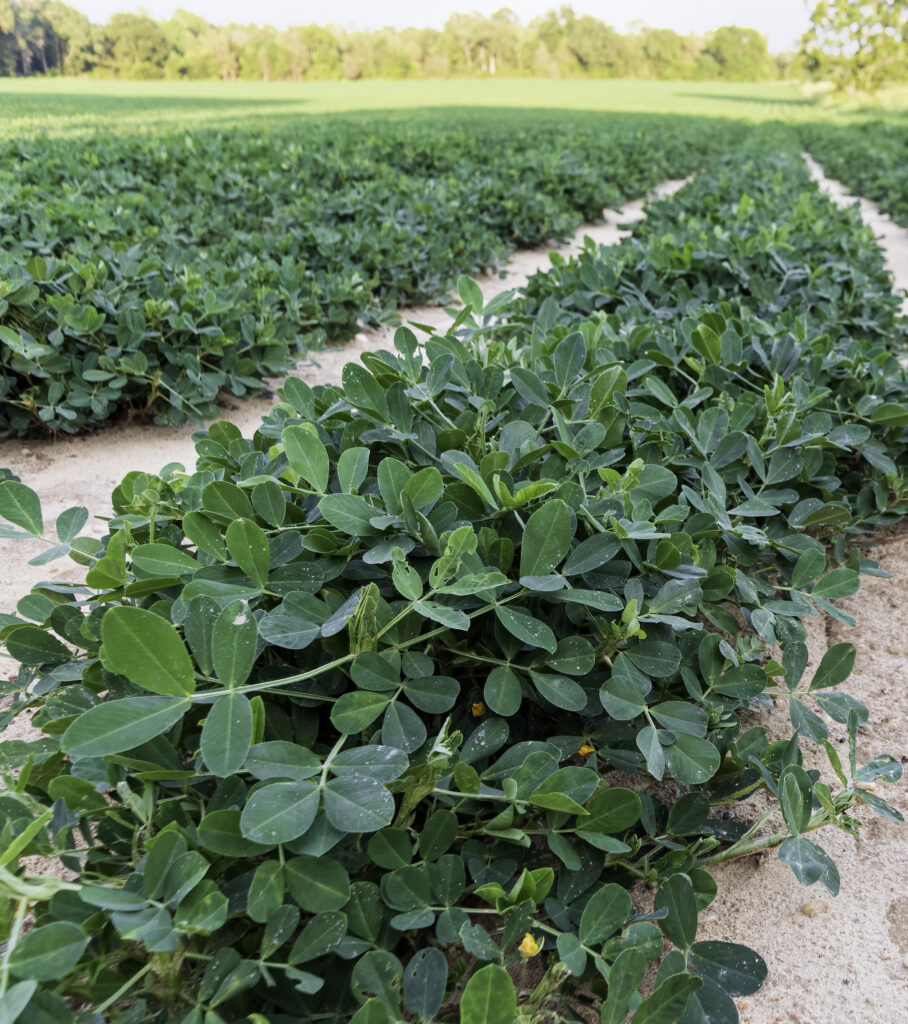
The first major “aha” moment came from watching how moisture moved through the profile early in the season. Historically, many growers irrigated aggressively at the first sign of drying. But sensor data revealed that early heavy watering limited how deeply roots developed.
In one peanut field, a grower resisted starting irrigation when the profile appeared to be approaching refill. Instead, he allowed the crop to draw moisture deeper, encouraging stronger root establishment before fully replenishing the profile. The sensors confirmed that moisture was still available below the surface.
That season, the field produced nearly 7,000 pounds of peanuts. The strategy was clear: manage irrigation more conservatively early, then push water strategically during reproductive stages, when yield potential is most sensitive. Similar results were observed in corn, where deeper rooting improved resilience and late-season response.
John emphasizes that precision rarely shows up as a simple “cost savings” line item. Instead, it shifts where dollars are spent. By reducing unnecessary early irrigation, growers conserve both water and pumping costs—then reinvest that capacity later in the season.
Across his grower base, John estimates most have eliminated half to a full irrigation trip by avoiding premature watering. Equally important, sensors support better in-season judgment calls. If a trip is approaching but rain is forecasted, growers can evaluate soil moisture trends and decide whether to wait or apply a smaller supplemental pass.
In a tight farm economy, that level of confidence matters. Irrigation becomes less of a reflex and more of a decision—timed to crop demand rather than habit.
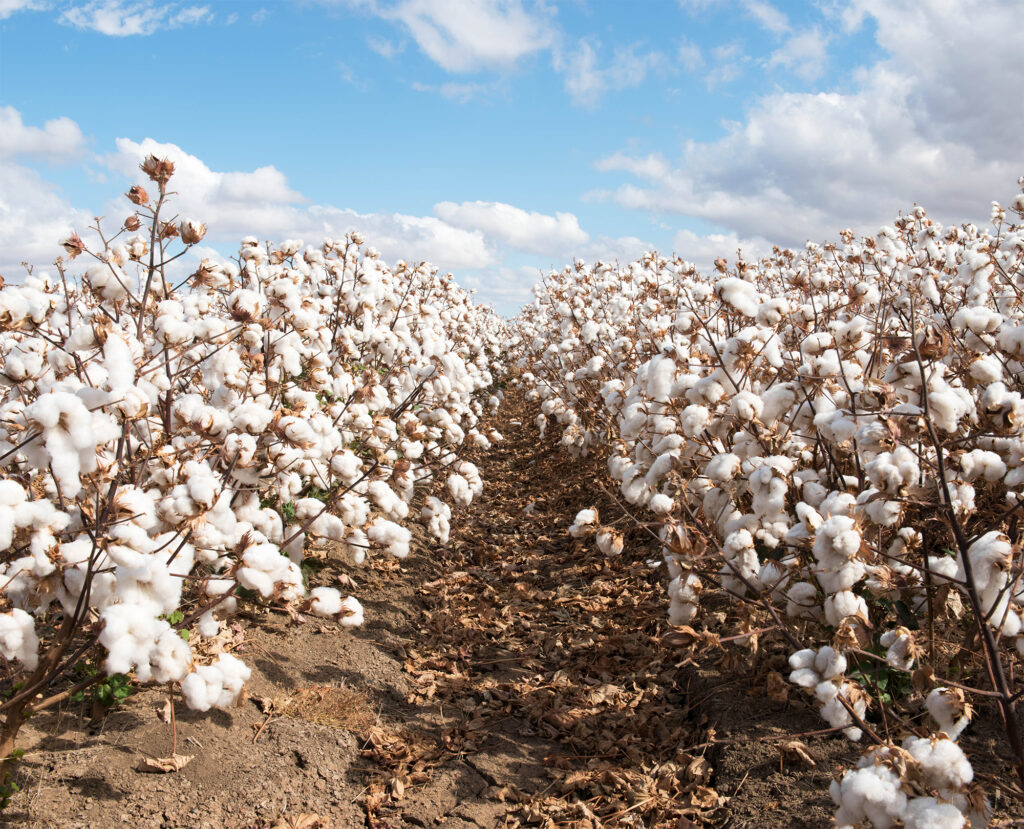
With irrigation now grounded in measurable soil data, John is looking ahead to further integration. He sees opportunity in combining imagery with in-field sensing to refine nitrogen timing and application rates even more precisely.
The foundation, however, is already in place. By connecting below-ground insight with above-ground observation, John has strengthened both his recommendations and his growers’ trust in data-driven decisions. What began as an effort to reduce guesswork has grown into something more deliberate—one that promotes deeper roots, stronger yields, and more intentional use of every input dollar.
Julia brings with her more than 20 years of experience in corporate development, partnerships, M&As and business strategy.
Prior to joining CropX, Julia held roles such as Corporate Development Director at STK Bio-Ag Technologies, a leading global biopesticide company, and as Deputy Head of M&A at Caisse des Depots et Consignations in France. Earlier in her career, Julia served as an AVP at Lazard Freres Investment Banking and as a Manager at KPMG Corporate Finance.
Julia holds an MBA from ESSEC Business School in France.