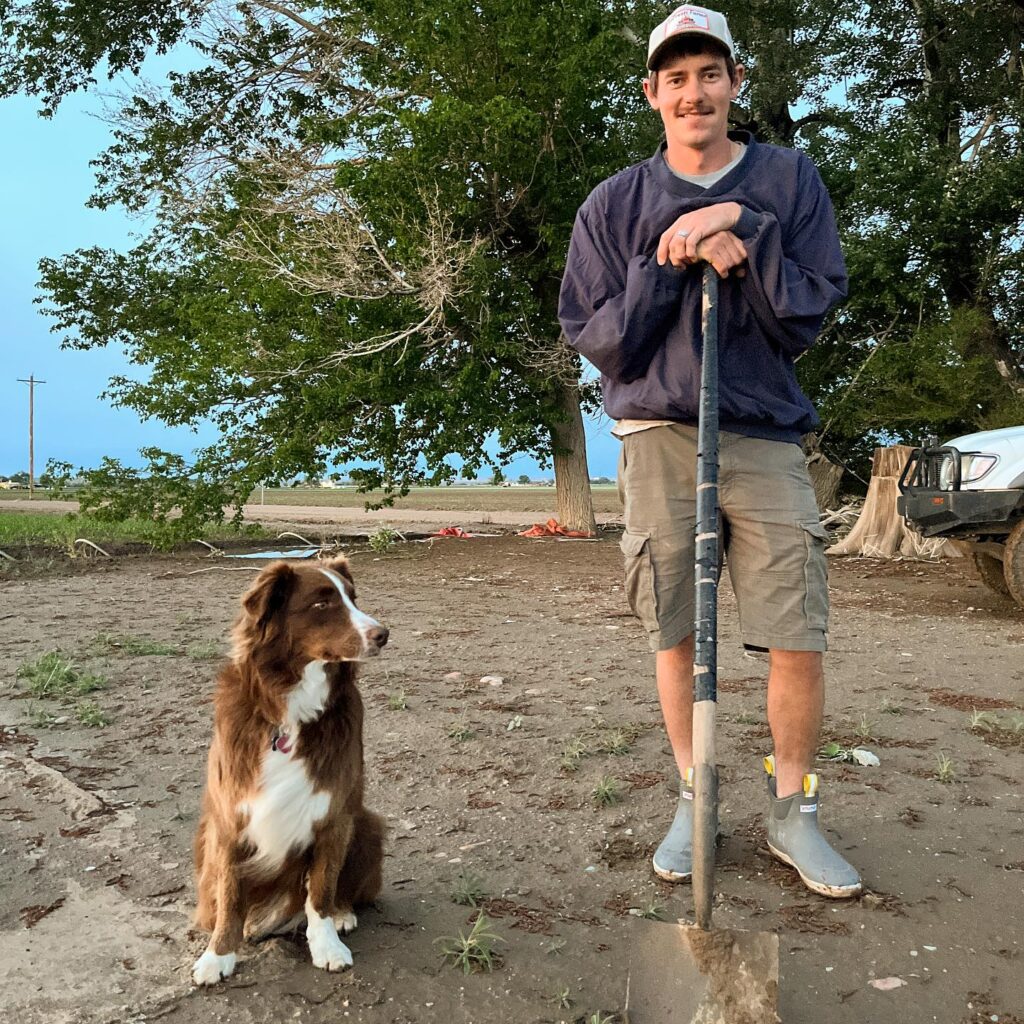
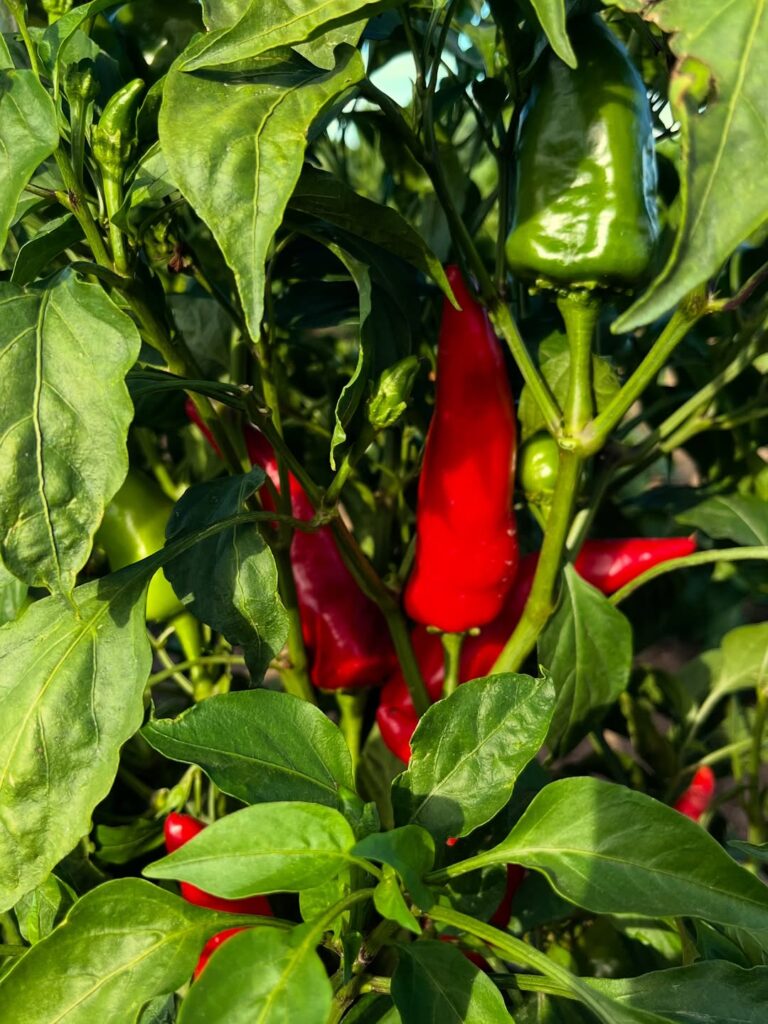
TJ Knecht is a third-generation farmer running LoPresti Farms, a 400-acre operation just east of Pueblo, Colorado. Farming largely on his own, Knecht grows chilis, corn, and pinto beans under increasing pressure to stretch limited water supplies. Through his work with the Colorado Ag Water Alliance, he began questioning long-held irrigation habits—and turned to CropX soil sensors to replace flood irrigation “by feel” with data he could trust.
Organization: LoPresti Farms, in partnership with the Colorado Ag Water Alliance
Business Type: Family-owned row crop and specialty crop farm
Territory: Southern Colorado (Pueblo Co.)
Crops: Chilis, corn, pinto beans
Primary Challenge: Balancing water conservation with yields in a region facing increasing water constraints
Solution: CropX soil sensors paired with expert agronomic support for irrigation and fertility decisions
Scale: 400-acre operation using CropX sensors strategically across fields
Before using sensors, Knecht irrigated the way his uncle and grandfather did: watching the field, checking soil by hand, and setting siphons when it felt right. In a ditch system, the prevailing mindset was simple—if water is available, you use it. While Knecht suspected water was moving past the root zone, he had no way to quantify losses or challenge long-standing practices.
That uncertainty also affected fertility decisions. Without knowing how much water the soil was holding—or how often nutrients were being leached—it was difficult to match nitrogen rates to realistic yield potential. Knecht needed clearer visibility into what was happening below the surface, without adding complexity to a small, labor-limited operation.
Knecht purchased and installed two CropX soil sensors from Reinke and treated them as learning tools. In his first year, trust was low. He regularly called CropX support—often multiple times per week—to confirm readings, adjust irrigation set points, and make sure the graphs reflected reality.
To accelerate confidence, Knecht worked with independent agronomist Roxi McCormick, who reviewed his CropX data remotely, validated trends, and fine-tuned recommendations. Knecht also installed simple manual tensiometers next to each probe to ground-truth soil moisture trends. Together, expert support and field confirmation turned unfamiliar data into actionable insight.
With improved visibility, Knecht began adjusting irrigation length and timing. To better understand the impact, he set up a side-by-side comparison on a 20-acre corn field, splitting it into two roughly equal sections—one managed using CropX data and the other using his standard irrigation practices. Following a two-inch rain shortly after planting, CropX data showed sufficient moisture on the sensor-managed side, allowing him to skip an entire irrigation event that still occurred on the standard-practice side.
Throughout the season, CropX soil moisture profiles revealed how quickly the soil became saturated during long sets—and how much water percolated beyond the root zone. Guided by those insights and pump flow-meter data, Knecht shortened irrigation sets from 24 hours to 16 hours on the sensor-managed acres.
The 20-acre side-by-side comparison confirmed the impact. Sensor-managed acres received 3.2 acre-feet of water, compared to 5.0 acre-feet under traditional management—about a one-third reduction in applied irrigation.
Despite the reduction in water use, yields remained essentially unchanged. Sensor-managed corn averaged 317 bushels per acre, while the standard side averaged 321 bushels per acre. Both were excellent yields for the region, demonstrating that water savings did not come at the expense of production.
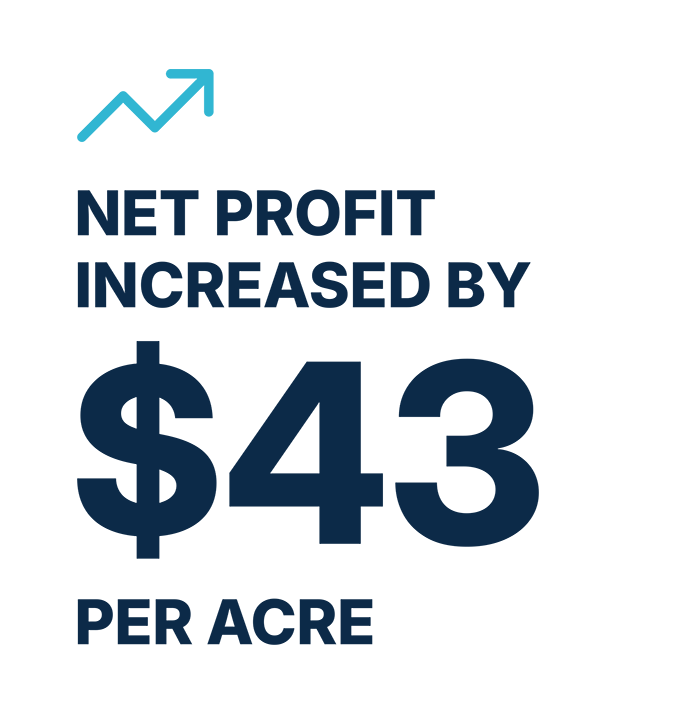
When Knecht ran the numbers—including pumping, electricity, labor, and the cost of the probes—the sensor-managed acres generated an additional $43 per acre in net profit. They also used less water than the farm’s long-term average, helping the farm operate with greater confidence under water constraints.
Knecht plans to keep using sensors as a learning tool, rotating them across different soil types to continue learning how his fields store and release water. “The value is the lessons,” he says—insights he can apply across the entire farm.
Julia brings with her more than 20 years of experience in corporate development, partnerships, M&As and business strategy.
Prior to joining CropX, Julia held roles such as Corporate Development Director at STK Bio-Ag Technologies, a leading global biopesticide company, and as Deputy Head of M&A at Caisse des Depots et Consignations in France. Earlier in her career, Julia served as an AVP at Lazard Freres Investment Banking and as a Manager at KPMG Corporate Finance.
Julia holds an MBA from ESSEC Business School in France.