
Contact Us
Let's talk about your operation
Hi there! Are you looking to use our products on your farm? Interesting in becoming a dealer? Or have a general inquiry about CropX? Send us a message and we’ll get back to you within a few days.
Or if you prefer, you can email us at sales@cropx.com
Our Global Offices
United States
Phone:
+1 (888) 832 2767
Address:
201 E Center St Ste 112 PMB 237,nAnaheim, CA 92805,nUSA
Australia
Phone:
+61 03 9070 4848
Address:
Level 31,n120 Collins Street,nMelbourne 3000, Australia
The Netherlands
Phone:
+31 88 3226600
Address:
9752 GR Haren,nThe Netherlands
New Zealand
Phone:
+64 800 37 34 36
Address:
Level 31,nPlimmer Towers 4, 2-6 Glimer Terrace, Wellington Central, Wellington 6011,nNew Zealand
Israel
Phone:
+972 (9) 3760676
Address:
Hamelacha 5, Netanya,n4250540,nIsrael
Bulgaria
Address:
Maria Luiza 25A,n4000 Plovdiv,nBulgaria


Latest News & Insights
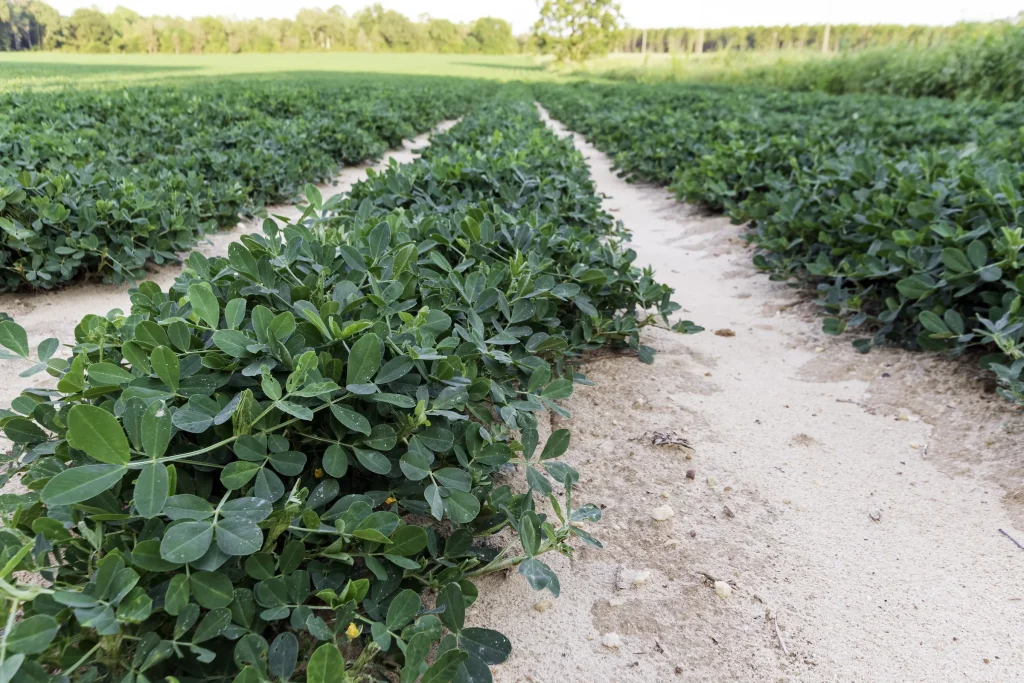
From guesswork to root-zone precision: how a South Georgia consultant boosted yields up to 60% over statewide averages
Since 1998, John Beasley has built South Georgia Crop Services around one principle: every input dollar should work as hard as possible. Serving growers across cotton, peanuts, corn, soybeans, tobacco, blueberries, and citrus, he integrates variable rate soil sampling, irrigation management, and fertility strategies to fine-tune performance. Irrigation was the exception—until real-time soil moisture data gave him and his growers a…
Read more
Ear Corn: Moisture in Seconds with SCIO Mini | CropX
Get moisture insights right in the field with SCIO Mini. Fast. Non-invasive. Ready when you are. SCIO Mini is a handheld near-infrared (NIR) analyzer that puts moisture testing where decisions happen from the field to receiving. Scan ear corn and access results on your smartphone, without complex sample preparation. Make informed harvest decisions.Use moisture data…
Read more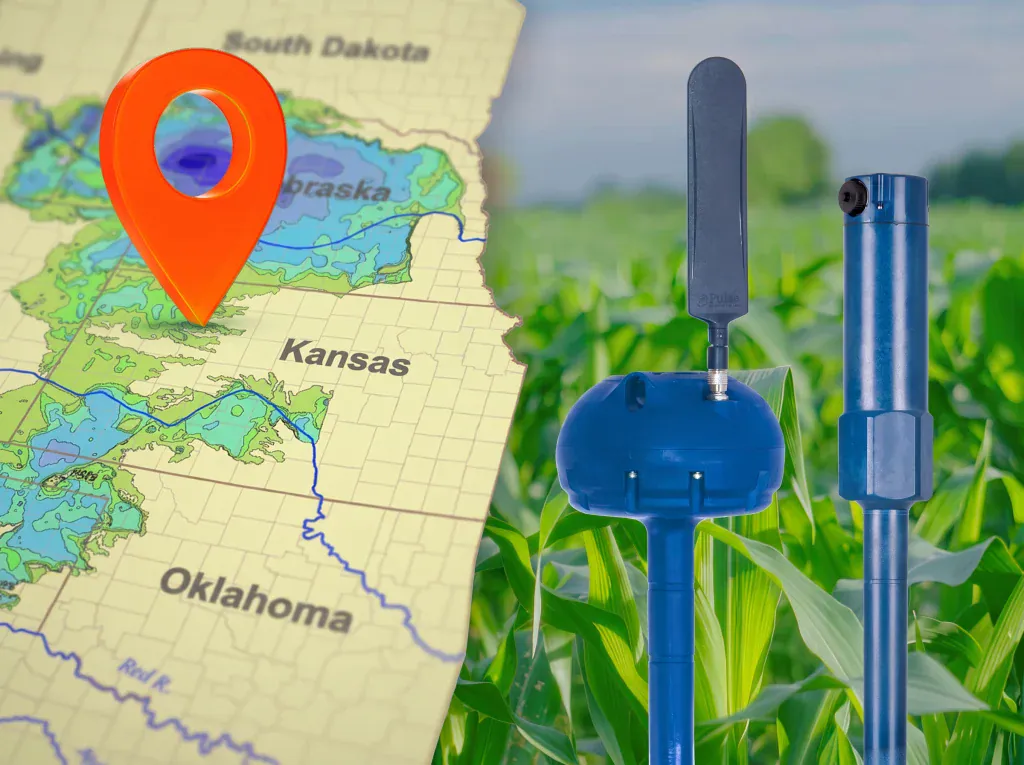
Can Aquifer Depletion Be Reversed? One U.S. County Came Close.
In Sheridan County, Kansas, a group of irrigators did something most of the American High Plains has struggled to do for decades: they got a declining aquifer to stop declining, without giving up farm income to do it. They agreed to a collective cap on total groundwater pumping, then used real-time soil moisture monitoring and…
Read more